
Emotional Resilience Programs: Tools That Actually Work
Evidence-based approaches to building emotional strength and managing stress. Includes mindfulness, exercise, and community-based programs available in major Portuguese cities.
What Makes Emotional Resilience Different
Emotional resilience isn't about being tough or never feeling sad. It's your ability to handle difficult emotions and bounce back from setbacks. Think of it like learning to ride a bike — you'll fall, but you get back up. The more you practice, the easier it gets.
We're talking about real, practical skills you can use in everyday life. Not just theory. When your daughter gets married, or your job changes, or health worries pop up — you've got tools that actually work. That's what makes the difference.
Core Elements of Resilience
- Self-awareness: Understanding your emotions as they happen
- Stress management: Techniques that calm your nervous system
- Social connection: Building relationships that support you
- Purpose: Knowing what matters to you
Important Note
This article provides educational information about emotional resilience approaches. It's not a substitute for professional mental health care. If you're experiencing severe anxiety, depression, or other mental health concerns, please consult with a qualified therapist or healthcare provider. Many programs mentioned include professional guidance as part of their design.
Three Proven Approaches That Work
Different techniques work for different people. That's why the best programs combine several approaches. You'll probably find that some resonate with you more than others — and that's exactly how it should be.
Mindfulness and Body Awareness
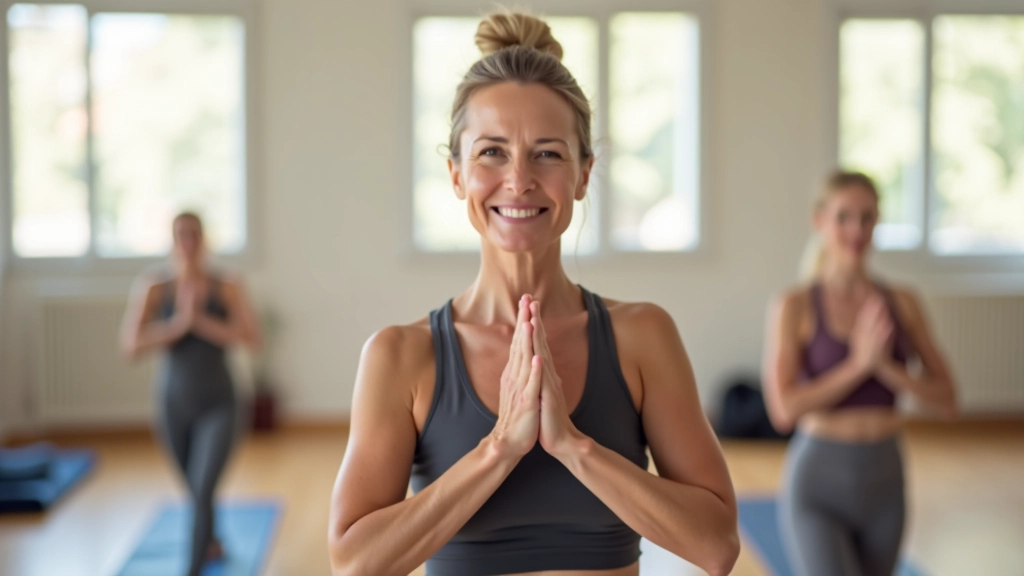
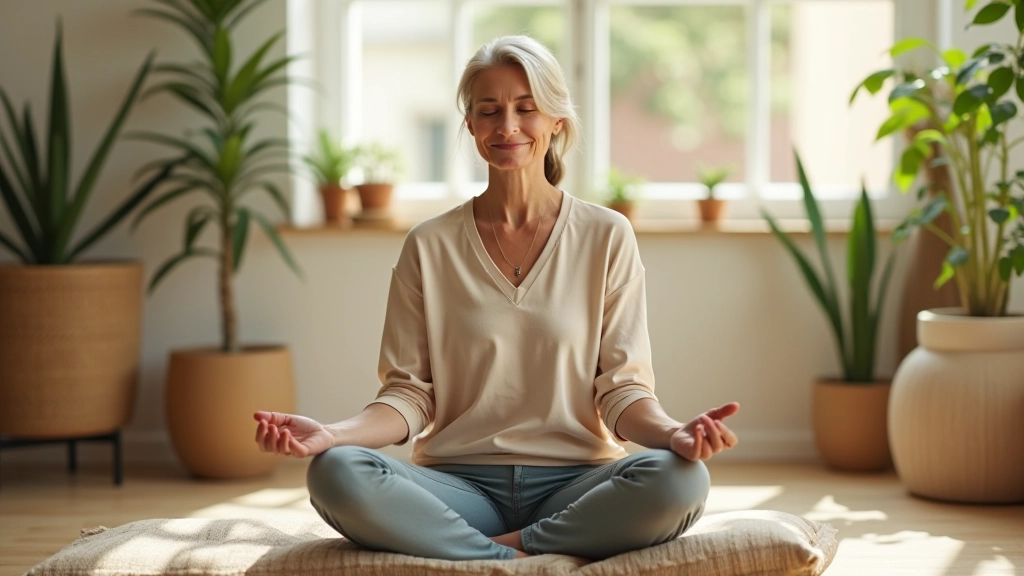
This isn't about sitting cross-legged for an hour. It's about noticing what's happening right now — your breath, your posture, how your shoulders feel. Just 10 minutes a day makes a real difference. You're training your brain to notice stress before it builds up. Portuguese community centers in Lisbon and Porto offer drop-in classes, many free or pay-what-you-can.
Physical Activity
Exercise isn't just for fitness. It changes your chemistry. You've got endorphins, serotonin, and dopamine working in your favor. Walking, swimming, or group classes all count. The key is consistency — three times a week minimum. You don't need to be an athlete.
Community-Based Programs in Portugal
You don't have to do this alone. Portugal's got some excellent programs specifically designed for people navigating life changes. Here's what's actually available.
In Lisbon
The Associação de Mulheres Empresárias runs resilience workshops monthly. They're not just for business owners — it's about building confidence and managing change. The Centro de Bem-Estar in Príncipe Real offers structured 8-week programs combining meditation, movement, and group discussions. Cost is reasonable, and they work with people on budgets.
In Porto
Instituto de Bem-Estar runs evening classes specifically for adults over 40. Mix of yoga, breathing work, and peer support. The Faculdade de Psicologia also offers community workshops — sometimes free, sometimes sliding scale. Worth checking their website regularly.


Building Your Personal Practice
You don't need a program to start building resilience. You can begin today with simple practices. The key is consistency — even small efforts add up over time.
1
Track Your Triggers
For one week, notice what situations make you feel stressed or overwhelmed. Write them down. You're building awareness — that's the foundation of everything else.
2
Choose One Tool
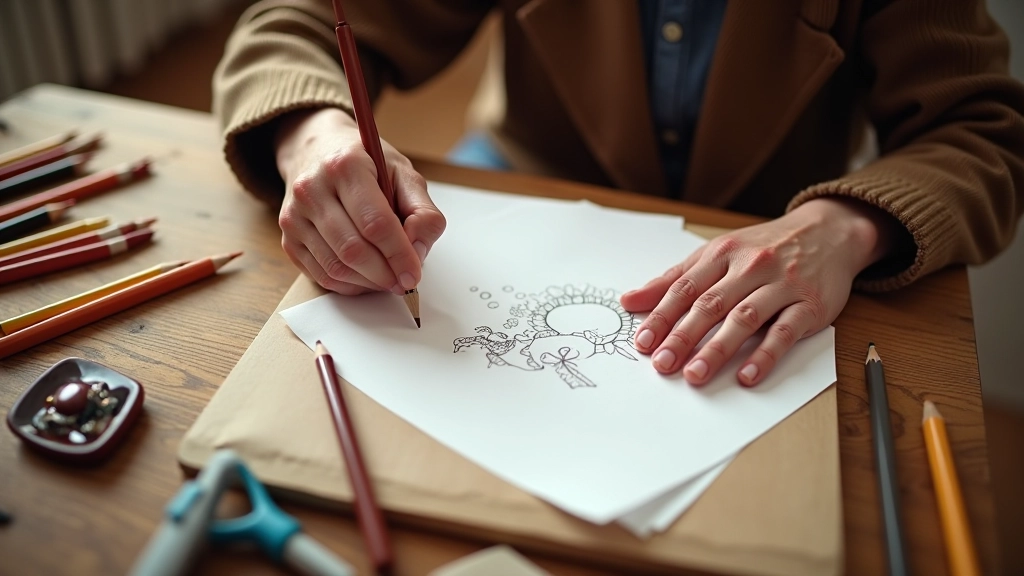
Pick one technique from this article — mindfulness, walking, journaling, or breathing exercises. Try it for 10 days straight. You'll feel the difference by day 5 or 6.
3
Build Social Connection
Share what you're doing with someone. Join a group. Tell a friend. Isolation makes everything harder. Connection makes everything easier.
Your Resilience Matters
Building emotional resilience isn't a quick fix. It's not something you do once and you're done. It's more like brushing your teeth — a habit you maintain because it keeps you healthy. The good news? It gets easier. You'll notice changes in how you handle stress, how you relate to others, and how you feel about the future.
You've got resources available. Community programs, online tools, books, and therapists who specialize in life transitions. But the most important resource is you — your willingness to try, to practice, and to ask for support when you need it. That's where real change starts.
Ready to explore more about navigating life changes? Our community guide has specific resources for Portuguese cities.
Explore All Resources