
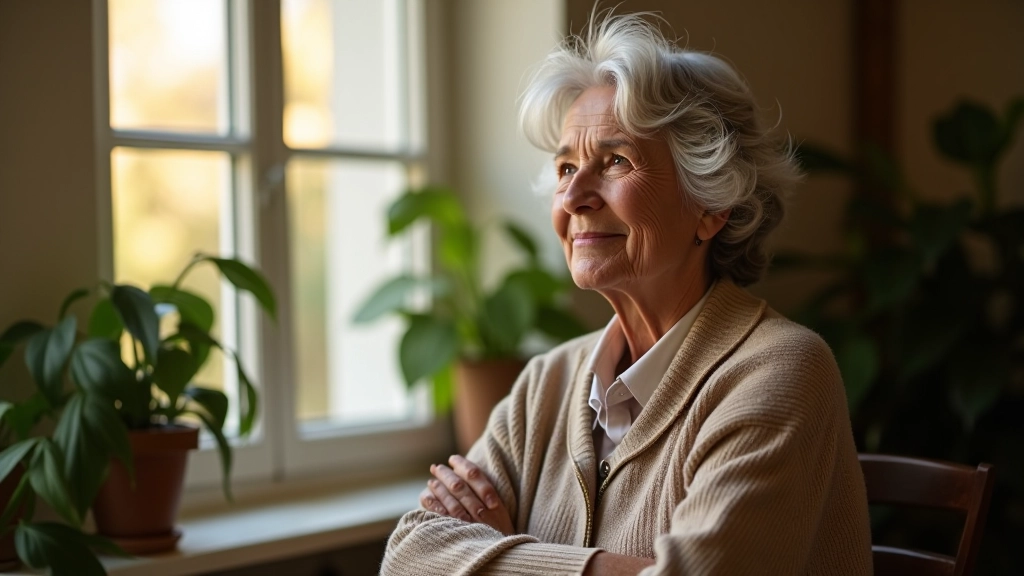
Understanding Major Life Transitions: What to Expect After 45
A comprehensive overview of the common changes people face during midlife — from career shifts to identity questions.
Read ArticleLife after 45 doesn't mean settling. We'll walk through practical ways to reconnect with old interests or explore entirely new ones — without needing expensive hobbies or tons of time.

Here's something we don't talk about enough: life after 45 can feel like you've stepped off a treadmill. Maybe work defined you for decades. Maybe raising kids took center stage. Whatever it was, suddenly there's space — and that space can feel empty if you're not intentional about filling it.
But here's the good news. You're not starting from zero. You've got 45+ years of experience, self-knowledge, and skills. The passions you're looking for aren't hiding somewhere you've never been. They're often just waiting for you to remember them.
Key approaches to rediscovering what brings you joy
Think back to your twenties or thirties. What did you do for fun? Not what you were good at professionally — what actually made you lose track of time? Maybe you painted, played guitar, wrote, played sports, or got lost in a garden.
Most of us don't abandon these things because we stopped loving them. We abandoned them because life got busy. Your brain hasn't forgotten. It's just been filing that stuff away.
The practice: Spend 15 minutes this week writing down 5-10 things you enjoyed before you were 35. Don't overthink it. Include the small stuff — sketching, walking, cooking experiments, reading specific genres.


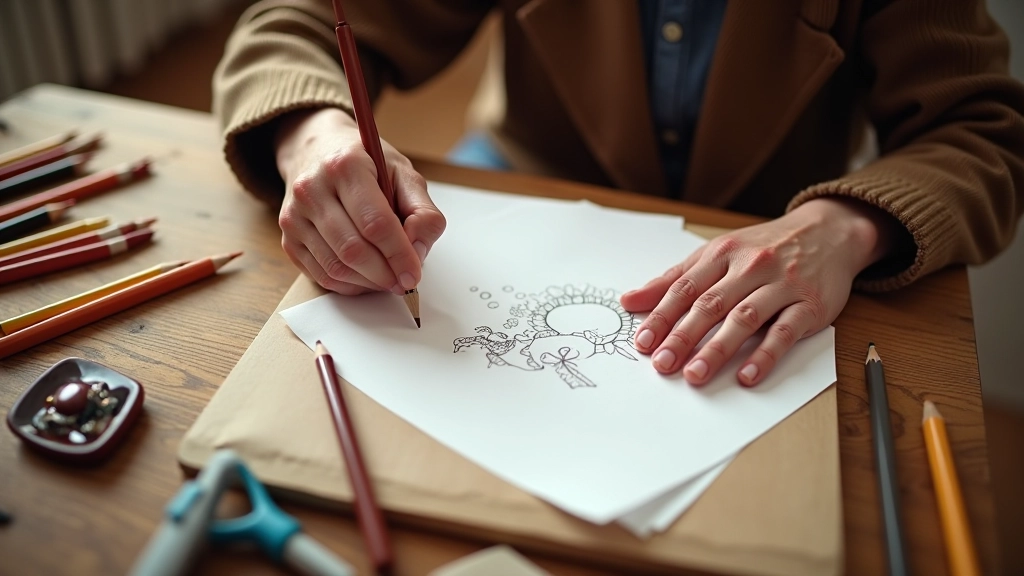
You want to play tennis again, but your knees aren't what they were. You loved painting but don't have studio space. You want to travel but money's tight. These aren't excuses — they're real constraints. And they're solvable.
Adapted activities exist for almost everything. Can't play competitive tennis? Join a beginner's recreational league twice a week. No studio? Try sketching at a café or working digitally. Limited budget? Community centers, libraries, and local groups offer programs for €5-20 per session.
The barrier isn't usually the activity. It's that we've gotten used to thinking "I can't do that anymore." But you can. It might look different than it did at 30, and that's actually fine.
This article is educational information about reconnecting with passions during midlife transitions. It's not a substitute for personalized coaching or professional guidance. If you're experiencing depression, persistent low mood, or struggle with motivation beyond lost passions, speaking with a mental health professional can help. Everyone's circumstances are different — adapt these approaches to what actually works for your life and health situation.
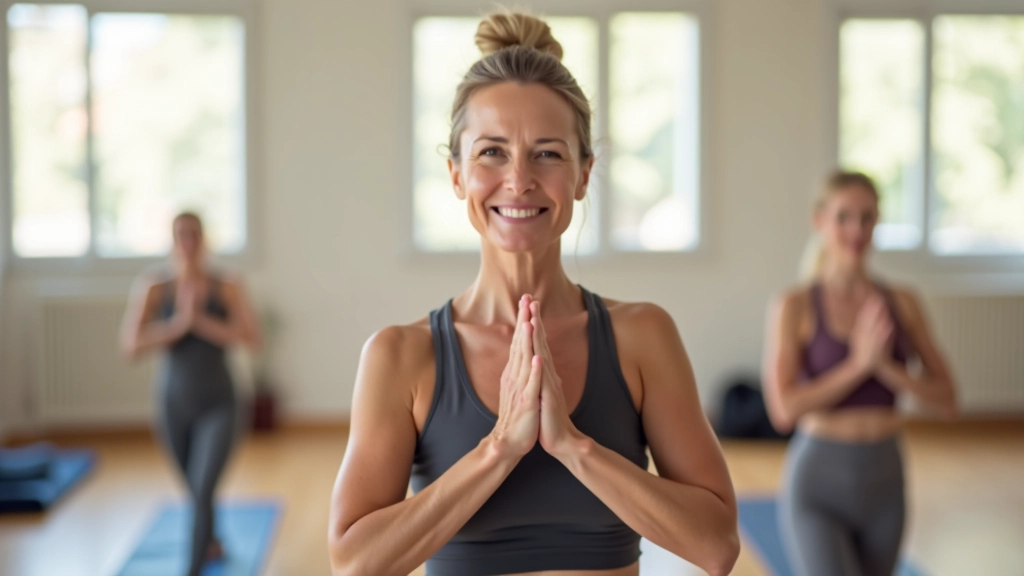
Maybe you've never painted before. Maybe you've never learned an instrument. Maybe you want to start running even though you've spent the last decade at a desk. This is the perfect time for "I've never done this, but I want to try."
The advantage of being 45 or older? You're not trying to prove anything. You're not comparing yourself to people who've been doing it their whole lives. You're just exploring what feels good. That's incredibly freeing if you let it be.
Start small. A single pottery class. One hike per week. An online course in something that's intrigued you. You're not committing to being an expert — you're committing to showing up and seeing how it feels.


Some passions are solo pursuits. Others come alive when you're with people who share them. A weekly running group transforms a solitary jog into something social. A book club makes reading a conversation. A community garden connects you with neighbors who care about the same things you do.
In Portugal, this is especially true. Lisbon, Porto, and smaller towns all have sports groups, hobby clubs, community centers, and associations. Look for "associações" or "grupos" related to what interests you. Many meet once or twice a week and cost almost nothing to join.
The secondary benefit? Loneliness decreases when you're doing something you enjoy with people who enjoy it too. You're not just rediscovering passions — you're building connection at the same time.
Rediscovering passion isn't complicated. It doesn't require a major life overhaul or waiting for the "perfect time." It requires you to acknowledge that joy matters, that you deserve to experience it, and that it's worth 90 minutes on a Tuesday evening.
Start this week. Write down those old interests. Look up one beginner class or group. Have a conversation with someone about what they love doing. These small steps aren't filler — they're how change actually happens.
You don't need to find your singular life purpose or passion. You just need to find something that makes you feel alive. That's enough. That's actually everything.